
Translation vs. Localization
Translation vs. Localization: What Is the Difference?
When businesses expand into new markets, they often need to communicate with customers, partners, and employees in different languages. Many people use the terms “translation” and “localization” interchangeably, but they are not exactly the same.
Both are important for global communication, but each one serves a different purpose.
What Is Translation?
Translation is the process of converting written content from one language into another while preserving its original meaning.
For example, translating a contract from English into Arabic means ensuring that every sentence, term, and detail is accurately communicated in Arabic.
Translation is commonly used for:
- Legal documents
- Medical reports
- Certificates
- Financial documents
- Technical manuals
- Academic papers
- Business correspondence
The main goal of translation is accuracy. The translated text should clearly communicate the same information as the original document.
What Is Localization?
Localization goes beyond translation. It adapts content to fit the culture, language style, preferences, and expectations of a specific audience.
For example, when localizing a website for a new market, a business may need to change:
- Currency
- Date and time formats
- Units of measurement
- Images and graphics
- Cultural references
- Tone of voice
- Calls to action
- Product descriptions
Localization helps content feel natural and familiar to the target audience.
Why Localization Matters for Businesses
A website may be correctly translated but still feel foreign to local customers. This can make visitors less likely to trust the brand or complete a purchase.
Localization creates a better customer experience by making content relevant to the people who read it. It shows that a business understands its audience and is prepared to serve them properly.
For example, a marketing message that works well in the United Kingdom may need a different tone, image, or phrase to connect with customers in the Middle East, Europe, or Asia.
Translation and Localization Work Together
Translation and localization are not competitors. In many projects, businesses need both.
Translation ensures that the message is accurate. Localization ensures that the message is effective.
A legal agreement may only require professional translation. However, a website, mobile application, advertising campaign, or e-commerce store may need full localization to perform well in a new market.
How Worldwide Translation Services Can Help
At Worldwide Translation Services, we provide professional translation and localization solutions for businesses, organizations, and individuals.
Our experienced language specialists help clients communicate clearly across cultures and markets. We support a wide range of content, including legal, financial, medical, technical, business, academic, and marketing materials.
Whether you need a document translated accurately or a full website localized for a global audience, our team is ready to support your project.
Reach Your Audience Anywhere
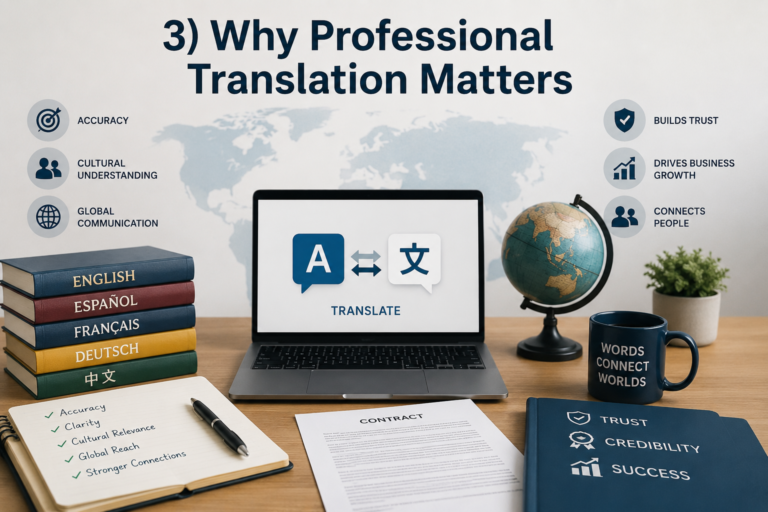
Clear communication is the first step toward global growth. With the right translation and localization partner, your business can build trust, improve customer experience, and connect with audiences around the world.
Contact Worldwide Translation Services today to request a quote for your translation or localization project.